
From Forest to Fiddle along the Julian and Carnic Alpine Trails
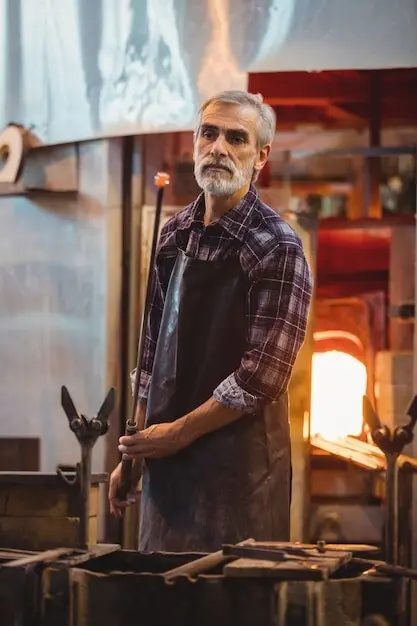
We set out along “From Forest to Fiddle: Woodcarving and Luthier Trails in the Julian and Carnic Alps,” tracing the journey from slow‑grown spruce and rippled maple to instruments alive with resonance. This path moves through shadowed forests, sawmills scented with resin, and workshops where time slows under steady hands. Expect practical tips, lived stories, and the quiet science of sound, all grounded in mountain communities whose patience, stewardship, and hospitality keep music rooted in place and purpose.

Where Tonewood Begins

Before a bow ever draws across strings, sound begins in the mountains. High slopes nurture tight rings, steady winters, and clean wind that dry the sap and temper fiber. Spruce listens to altitude; maple learns patience from cold nights. Forest stewards choose which trees will sing decades ahead, respecting slopes, waters, and unseen fungal threads. The first cuts are promises, made gently, because someone far away will one day hear tenderness or thunder born from this hillside and this decision.

Paths Through Villages and Workshops

These mountains shelter workshops tucked behind stone lanes and wooden balconies. In Carnia, villages like Sutrio and Paularo open doors to steady chisels and warm stoves. North around Tarvisio and Val Canale, forest guardians balance wildlife corridors with selective harvests. Crossing south and east, the Soča’s turquoise calls toward Kobarid and Tolmin, then on to Bohinj and Kranjska Gora where spruce stands meet skiers and song. Travelers who ask kindly often find a bench, a story, and a softly ringing plate.

Sutrio’s Carvers and Carnic Hospitality

Sutrio greets visitors with wood shavings on thresholds and coffee that appears before you ask. Carvers here move between sacred figures, playful masks, and instrument ribs, guided by a culture that celebrates patience in the hand. During village festivals, tools sparkle beside polenta and cheese, and kids try small gouges under watchful eyes. If you linger, someone will tap a board and smile, inviting you to hear the difference between ordinary planks and pieces destined for sound.

Tarvisio to Val Canale: Forest Guardians

The Tarvisio forest stretches like a living workshop, where resonance spruce quietly matures under careful management. Rangers, millers, and makers share paths, talking about storms, bark beetles, and windthrow salvage. In winter, snow muffles everything but the crack of a measured cut. Local cafés hold conversations about rings-per-centimeter as easily as ski wax. Here, sustainable choices echo through instruments leaving for orchestras and alpine kitchens alike, reminding travelers that sound begins with humility toward place and complexity.

Across the Soča to Bohinj: Alpine Echoes

Following the Soča’s green ribbon toward Slovenia, you’ll find makers who tune plates while rain taps shingles in Bohinj’s wide valley. Trails lead to spruce stands where hikers, foresters, and musicians share greetings beneath cliffs and clouds. Conversations often move between weather, wood stoves, and old dances that demand bright fiddles. If a door stands open, ask gently; many artisans welcome curious ears. In that quiet, even a simple knock on maple can feel like a small concert.

Tools, Hands, and Quiet Hours

The Gouge and the Grain
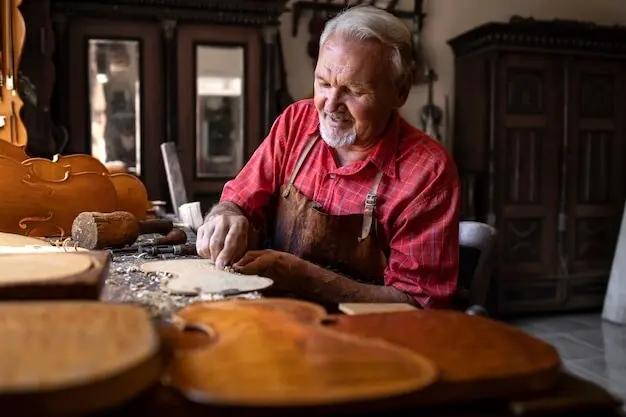
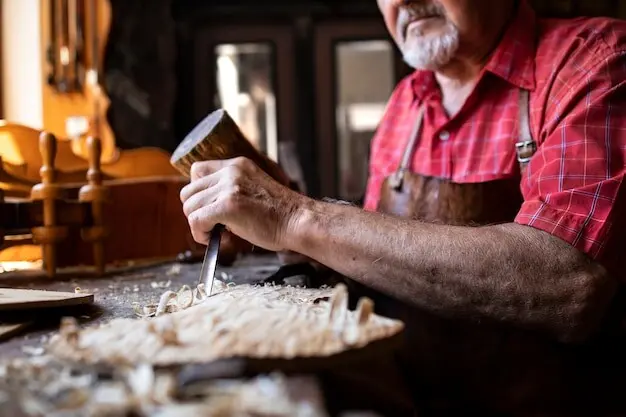
A gouge does more than remove wood; it reveals pathways that the grain already planned. Makers feel resistance change with each centimeter, learning when to pivot, when to stop, and when to sharpen. Tear‑out becomes a teacher rather than a failure. In these mountains, many describe carving as a conversation, not a command. The best results arrive when the tool’s curve, the wrist’s arc, and the tree’s quiet intentions finally agree to move together without force.

Glue Pots, Clamps, and Courage

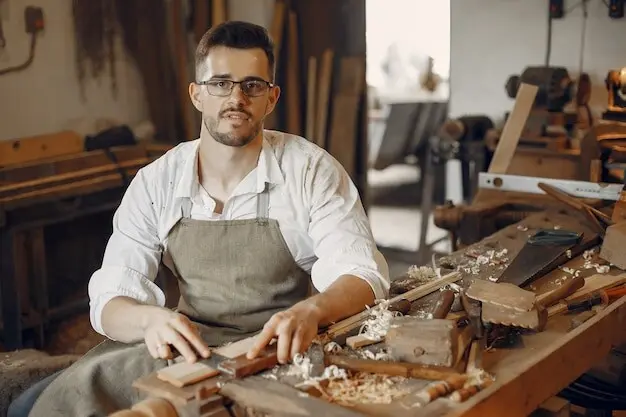
Hide glue brings tradition and forgiveness, grabbing tight yet releasing with steam for future repairs. That kindness matters, because mountains teach continuity—today’s maker considers tomorrow’s restorer. Clamps line up like a tiny alpine fence, patient and steady. Neck sets, rib miters, and linings demand courage balanced with calm. A misaligned seam humbles everyone, but humility here saves instruments from future grief. Warmth, timing, and trust make joints that last, turning fragile pieces into a unified, resonant body.

Varnish that Sings

Varnish is less paint and more atmosphere. It should protect without muting, glowing like late light on larch. Some makers brew resins and oils with recipes guarded like family lullabies; others refine modern finishes that still breathe. Each thin layer changes feel and voice, so brushes move with restraint, patience, and curiosity. In the Julian and Carnic workshops, you may see sunning racks near open windows, and hear soft humming as coats settle, because even silence participates in finishing.

Listening to Wood

Beyond romance, instruments must perform. Makers tap and weigh, flex and watch, learning how stiffness speaks across bouts and corners. Chladni patterns dance in sieved tea leaves or glitter, outlining modes that suggest where to thin. Humidity charts share wall space with family photos. Soundposts stand like humble architects, bass bars like quiet bridges. What emerges is not dogma but playful rigor, tuned to a valley’s climate and a player’s voice, honoring both measurable curves and soulful hunches.

Stories Carried by the Passes

Trails remember footsteps and melodies. An elder in Paularo still jokes that his first scroll looked like a snail terrified of thunder. A shepherd above Resia carved a flute from storm-fallen maple, then traded cheese for lessons. In Kobarid, a restorer found shrapnel tucked inside a battered case and returned music to a family long quiet. These stories stitch craft to daily bread, reminding us that instruments are companions, not trophies, and roads become kinder when walked together.

01

An Apprenticeship by a Frozen Stream

One winter, a teenager carried billets across ice to a tiny shop warmed by a stubborn stove. His teacher spoke little, letting failures teach. A cracked rib became a sermon about moisture and haste. Spring arrived; the student’s planes began to whisper properly. Years later, he returns each January, pockets full of biscuits for the workshop dog, to sharpen in silence and remember that confidence grows best where humility keeps watch and rivers teach patience with endlessly repeating songs.

02

A Violin for a Mountain Wedding

A couple from Tolmin asked for an instrument bright enough for outdoor dancing and tender enough for vows. The maker walked the meadow where they would celebrate, listening to wind and cowbells, and chose a lighter top with quick response. On the day, the first tune carried past wildflowers and boots, drawing laughter and a few tears. When the case clicked shut at dusk, the valley felt newly tuned, as if joyful promises had tightened every string without breaking anything.

03

Repairing a War-Scarred Fiddle

A century-old violin arrived with cracks like map lines and soot in every corner. Its owner brought a photograph of a great‑grandparent playing near the pass before fleeing bombardments. The restorer, hands steady, lifted dirt with breath and brush, then welcomed the instrument back into resonance—never pristine, always honest. When the bow finally drew a slow waltz, the room stood still. The hills outside seemed to exhale, reminding everyone that healing can sound like slow notes finding home again.
Traveler’s Guide to Respectful Discovery

These routes reward wanderers who move gently. Check local calendars for craft fairs, small museum hours, and seasonal forestry closures. Bring curiosity, waterproof shoes, and patience for alpine buses that arrive precisely when needed. Village centers reveal cafés where introductions begin; workshops often prefer messages or morning knocks. Learn a few words—grazie, hvala, danke—and carry cash for tiny galleries. Remember that artisans split attention between visitors and delicate tasks; accepting a later time is kindness that keeps benches welcoming.

Future Growth and Shared Voices

Sustainable music depends on forests, neighbors, and apprentices who still believe wood can learn to sing. Selective logging, storm salvage, and mixed-age stands protect tomorrow’s tonewood. Regional schools and informal mentorships keep calluses forming. Digital maps can connect visitors to makers without straining fragile schedules. Your participation matters: read, wander, purchase thoughtfully, and support local initiatives that plant more than they harvest. Together we can keep these valleys resonant, where generosity travels as surely as echoes along stone walls.
Tavolumakentopalolaxizuno
Privacy Overview

This website uses cookies so that we can provide you with the best user experience possible. Cookie information is stored in your browser and performs functions such as recognising you when you return to our website and helping our team to understand which sections of the website you find most interesting and useful.