
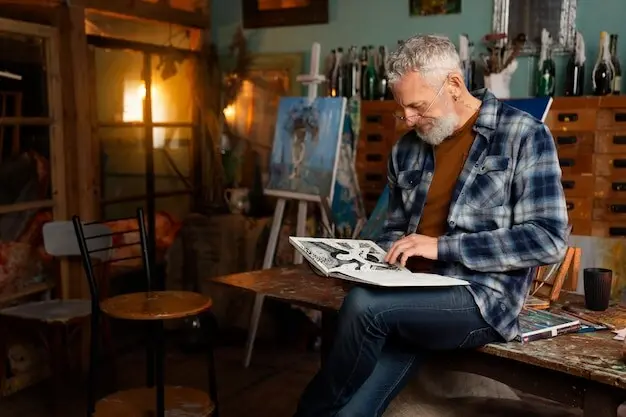
Handmade Without Borders: A Traveler’s Guide Across Austria, Slovenia, Italy, and Croatia
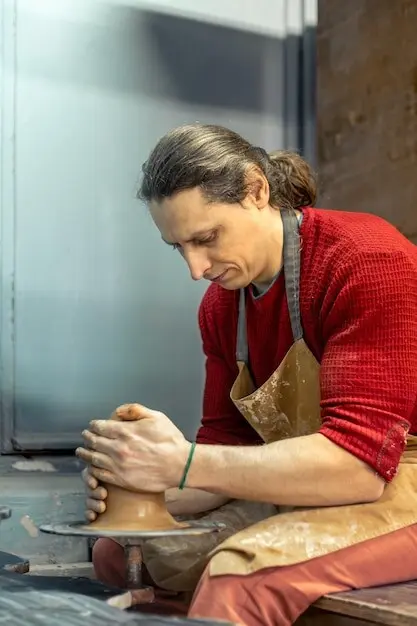
Plan the Perfect Cross-Border Route
Austria: Alpine Workshops and Village Squares
Slovenia: Intimate Markets and Living Traditions


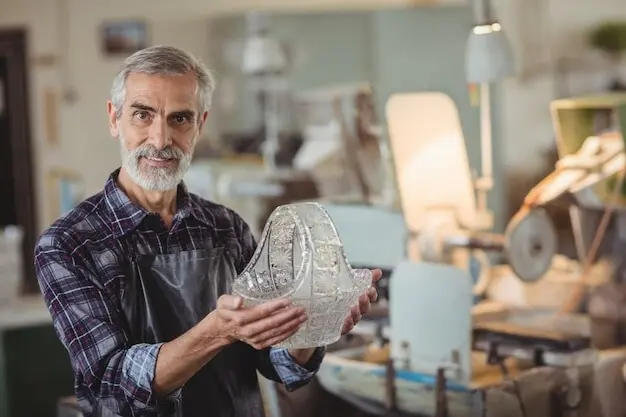
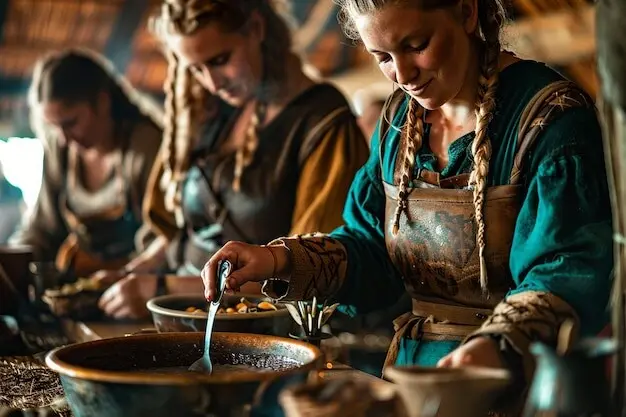
Croatia: Coastal Ingenuity and Heartland Heritage
Buying Wisely: Authenticity, Care, and Cross-Border Logistics
Recognizing Makers’ Marks and Paying Fairly
Authenticity often rests in small proofs: uneven tool marks, signed footrings, stamped hallmarks, or a certificate naming materials and region. Ask about sourcing, apprentices, and time invested. Resist bargaining that undercuts livelihood; instead, request minor customizations or future orders. Pay promptly; many stands rely on weekend cash flow. Tip with a sincere review online. Later, publish a short maker profile in our comments, linking responsibly and celebrating real hands.
Packing Ceramics, Glass, and Delicate Textiles for the Road
For fragile ceramics and glass, wrap with tissue, then bubble, separating layers with cardboard or clothing. Fill vessels with socks to resist crushing. Nest bowls using paper collars. For textiles, roll instead of fold to avoid creases. Distribute weight across luggage, isolating heavy bases near wheels. Carry a compact scale to avoid fees. Share a photo of your packing method, inspiring fellow travelers to protect beauty while staying nimble on steep steps.
Shipping, Customs, and VAT: Smooth Moves for Souvenirs
Within the EU, personal goods move freely; mailing to non‑EU addresses can involve duties, so declare accurately and insure sensibly. Keep invoices and maker contacts in a single digital folder. Compare courier pickup if rural post hours are limited. For VAT refunds, follow stamped-form procedures at your final EU exit. Screenshot everything. When your parcel arrives safely, return here to post lessons learned, carrier pros and cons, and cost breakdowns.
All Rights Reserved.